

Grade 5 is an important stage in a child’s reading journey. At this level, students move beyond simply understanding what a text says to analyzing ideas, making inferences, and using evidence to support their thinking. Strong reading comprehension skills help children succeed not only in language arts but across every subject they study.
Grade 5 reading comprehension worksheets
Our grade 5 reading comprehension section includes a wide range of worksheets designed to help students strengthen their reading skills. We’ve recently expanded the collection with new reading passages and enhanced many of our existing worksheets, giving students even more opportunities to develop comprehension, critical thinking, and confidence as readers.
Practice main ideas, details & summary
In these worksheets students are asked to identify the main ideas of texts.
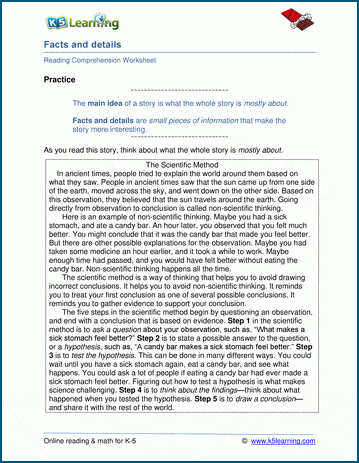
Story details in paired texts
Students read two similar texts and are asked to compare the details between the texts.
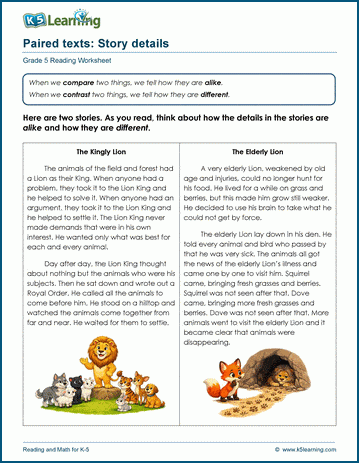
Story elements worksheets
These sets of worksheets have students work on character analysis, setting and pot of stories, conflict and themes.
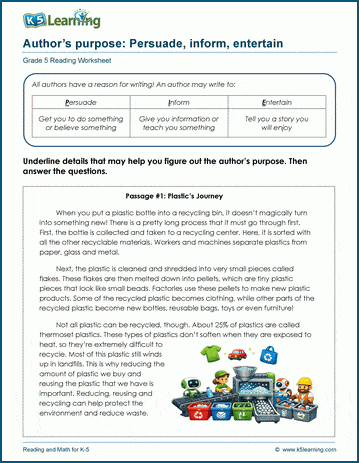
Author's purpose
In these worksheets, students analyze texts to identify the author’s purpose.
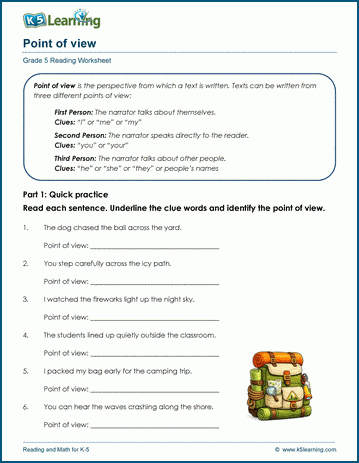
Practice point of view
These worksheets are split into two types of exercises. First they have to work out the point of view of each story. Then, they compare longer texts to analyze how the author’s point of view impacts the reader’s understanding of the text.
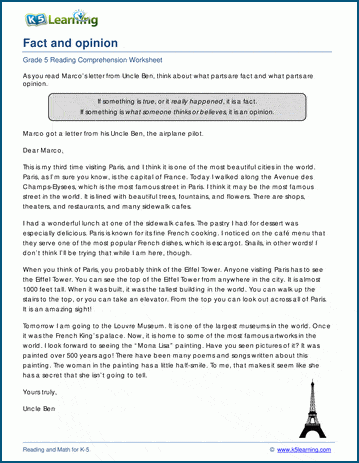
Fact vs. opinion worksheets
Students learn to tell the difference between fact and opinion in these worksheets.
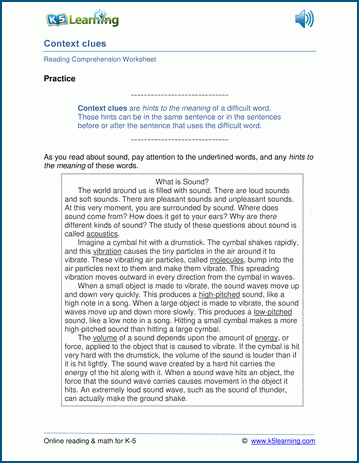
Context clues
Students are asked to use context clues to work out the meaning of words in these texts.
Inferences
In these worksheets, students read texts and will have to draw conclusions beyond what is explicitly stated in those texts.
Prediction worksheets
Students read the beginning of texts and are asked what will happen next and justify their answers with evidence from the text.
Figurative language
This page of worksheets cover figurative language.
Text structure - Compare and contrast
Students identify compare and contrast signal words in the texts on these worksheets.
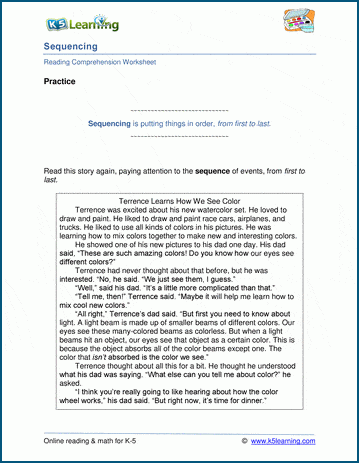
Text structure - Sequencing
Students read text to annotate it for sequencing signal words.
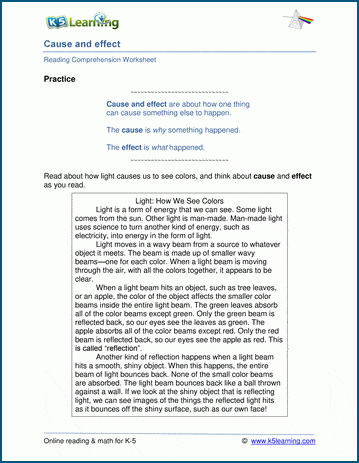
Text structure - Cause and effect
Next, students identify cause and effect signal words in texts.
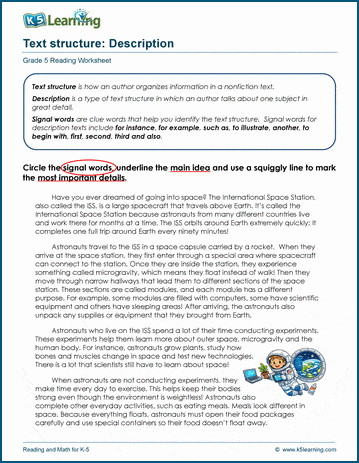
Text structure - Descriptive text
Next, students work on descriptive signal words. They annotate a text for descriptive words and then analyze the text in terms of main idea and details.
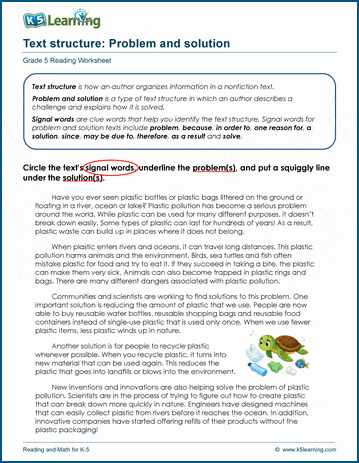
Text structure - Problem and solution
Students read problem and solutions text and are asked to identify signal words, the underlying problem and possible solutions.
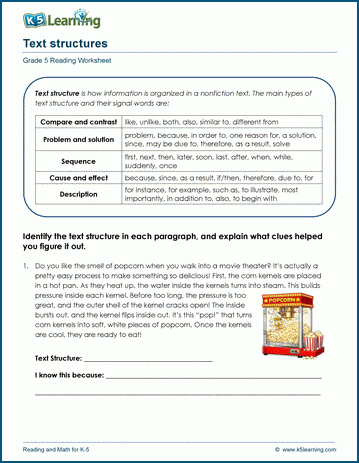
Identifying text structure
In the following texts, students identify compare and contrast, problem and solution, sequence, cause and effect, as well as description.