
 Halloween W'sheets!

STEM challenges don’t have to take all afternoon, and they don’t require expensive materials. In just 30 minutes, students can imagine, design, build, test, improve, and reflect. These quick challenges are perfect for busy classrooms, homeschool days, STEM Fridays, indoor recess, or as an engaging end-of-week activity.
Each activity below encourages students to think like engineers: identify a problem, create a plan, test their design, and improve it.
Index card bridge challenge
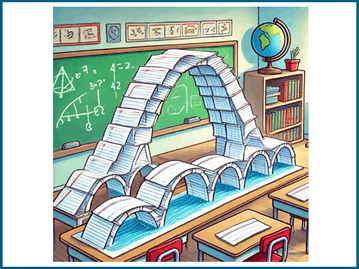
The Challenge: Using only index cards (and optional tape), build a bridge that can hold the most pennies.
Students quickly discover that flat paper bends easily — but folding, rolling, or layering can make it stronger.
What Students Learn:
How shapes affect strength
Why arches and folds increase stability
The importance of testing and redesigning
Reflection Questions:
What design change made your bridge stronger?
Why did some bridges collapse?
Paper chain engineering challenge
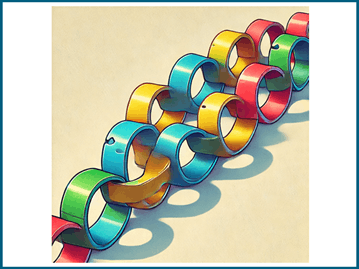
The Challenge: Create the longest paper chain possible using only one sheet of paper.
Students must carefully plan how they cut the paper. Small cutting decisions can dramatically affect the final length.
What Students Learn:
Planning before building
Measuring and comparing
Efficiency and strategy
Reflection Questions:
Did you plan first or start cutting immediately?
What would you change next time?
Aluminum foil boat challenge
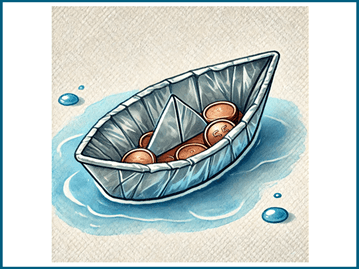
The Challenge: Design a boat using aluminum foil that can hold the most pennies without sinking.
This challenge introduces students to buoyancy and surface area in a hands-on way.
What Students Learn:
Why wider boats float better
How weight distribution matters
The importance of gradual testing
Reflection Questions:
Why did some boats sink faster?
How did shape affect floating?
Balloon-powered car
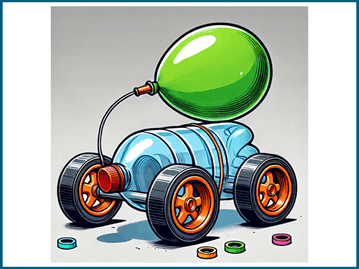
The Challenge: Build a small car powered only by air released from a balloon.
Students experiment with wheels, axles, and airflow to see how far their vehicle can travel.
What Students Learn:
Forces and motion
Friction and surface resistance
How small adjustments improve performance
Reflection Questions:
What helped your car move farther?
How did wheel alignment affect motion?
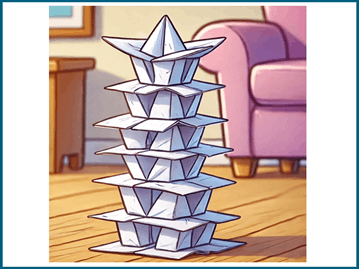
Tallest paper tower
The Challenge: Build the tallest freestanding tower using only paper.
Students quickly learn that height requires stability and a strong base.
What Students Learn:
Balance and weight distribution
Structural reinforcement
Revising after collapse
Reflection Questions:
What made your tower stable?
How did your base design help?
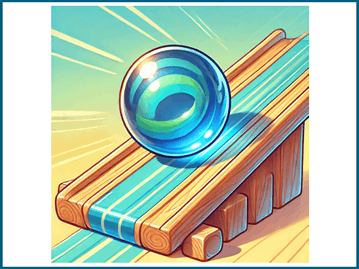
Marble roller coaster design
The Challenge: Create a track that keeps a marble moving for as long as possible.
Students explore gravity and slope while designing turns and drops.
What Students Learn:
Incline and speed
Momentum
Trial and error design
Reflection Questions:
How did slope changes affect speed?
Where did your marble lose momentum?
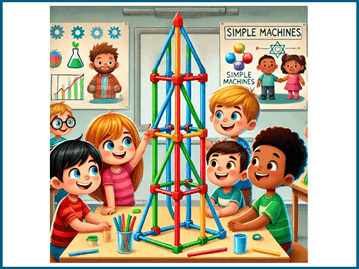
Straw structure challenge
The Challenge: Build the strongest structure using straws and tape (or marshmallows as connectors).
Triangles often emerge as the strongest design.
What Students Learn:
Geometric strength
Team collaboration
Testing load limits
Reflection Questions:
What shape was strongest?
How did teamwork help your design?
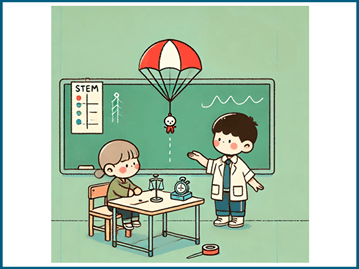
Parachute drop challenge
The Challenge: Design a parachute that falls the slowest.
Students test size, material, and string length to improve air resistance.
What Students Learn:
Air resistance
Surface area
Fair testing
Reflection Questions:
How did size change the fall time?
What adjustments slowed it down?
Cup stack speed challenge
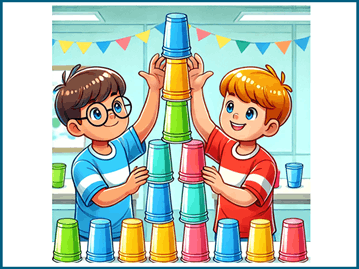
The Challenge: Stack and unstack cups into a pyramid as quickly as possible.
This challenge builds coordination and planning under time pressure.
What Students Learn:
Strategy development
Fine motor skills
Team communication
Reflection Questions:
What strategy improved your time?
Did you divide roles?
Mystery bag engineering
The Challenge: Give students 5 mystery materials and a problem to solve (build a bridge, create a container, design a tool).
This challenge encourages creativity and flexible thinking.
What Students Learn:
Resourcefulness
Problem-solving under constraints
Creative engineering
Insert image j
Reflection Questions:
How did your team decide on a plan?
What would you improve with more materials?
Why 30-minute STEM challenges matter
Short STEM challenges are powerful because they:
Encourage risk-taking
Normalize failure as part of learning
Teach students to revise and improve
Build teamwork and communication
In just half an hour, students practice critical thinking, creativity, and collaboration, the very skills they’ll need far beyond the classroom.