


Oceans cover about 71% of Earth’s surface, and they play a huge role in keeping our planet alive. They affect the air we breathe, the weather we experience, the food we eat, and the climate of Earth.
Oceans help produce oxygen
Many people think forests produce most of our oxygen, but oceans are just as important.
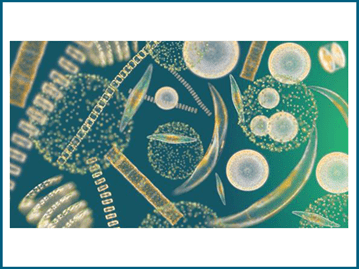
Tiny ocean organisms called phytoplankton use sunlight to make their own food through photosynthesis. During this process, they release oxygen into the atmosphere.
Scientists estimate that about half of Earth’s oxygen comes from ocean life.
Oceans support Earth’s biodiversity
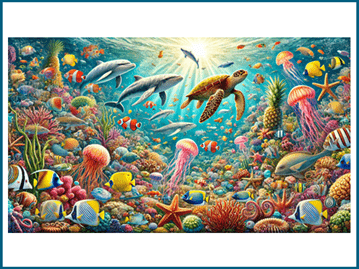
Oceans are home to an enormous variety of living things.
They support:
Microscopic plankton
Coral reefs (often called the rainforests of the sea)
Fish, sharks, sea turtles, whales, and dolphins
Ocean ecosystems are connected. If one part is damaged, it can affect many other species.
Oceans help regulate the climate
Oceans act like a giant heat storage system.
They:
Absorb heat from the Sun
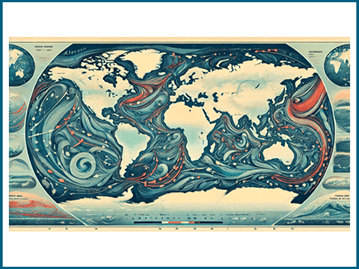
Move warm and cold water around the world through ocean currents
Help control Earth’s temperature
Without oceans, Earth would have extreme temperatures, making it much harder for life to survive.
Oceans drive the water cycle
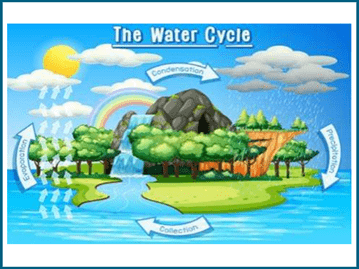
Oceans play a key role in the water cycle.
Water from oceans:
Evaporates into the air
Forms clouds
Falls back to Earth as rain or snow
This process helps provide fresh water for plants, animals, and people.
Oceans provide food and resources
Millions of people around the world depend on oceans for:
Seafood and protein
Jobs like fishing, shipping, and tourism
Medicines made from ocean organisms
When oceans are unhealthy, food supplies and jobs are at risk.

Why do oceans need protection?
Oceans face serious challenges, including:
Plastic pollution
Overfishing
Climate change and warming water
Coral reef damage
Because oceans are connected to everything on Earth, damaging the ocean affects the entire planet.
Key takeaways
Healthy oceans help keep Earth livable.
Protecting the ocean means protecting life on our planet.