
 Halloween W'sheets!

Energy is what makes things move, change, or happen. Without energy, nothing in the world would work. Energy helps objects move, lights shine, sounds travel, and living things grow.
When a car drives down the street, energy is moving the car forward. When a light bulb turns on, energy is creating light. When a person runs or jumps, their body is using energy from the food they eat.
Scientists define energy as the ability to do work or cause change. In everyday language, this means energy is what allows things to happen.
Energy is all around us, even if we cannot see it directly. We can see its effects. For example, we can see a fan spinning, feel the warmth from the sun, or hear music coming from a speaker. All of these are examples of energy at work.
Types of energy
There are many different types of energy. Elementary students usually begin by learning about several common forms of energy that they can easily observe in daily life.
Heat energy
Heat energy is the energy that makes things warmer. It moves from warmer objects to cooler ones.
The sun is the largest source of heat energy for Earth. It warms the air, the land, and the oceans. Heat energy is also produced when we cook food or warm our homes.
Examples of heat energy include:
A stove heating a pot of water
The warmth you feel from sunlight on your skin
A radiator heating a room
Hot soup warming a bowl
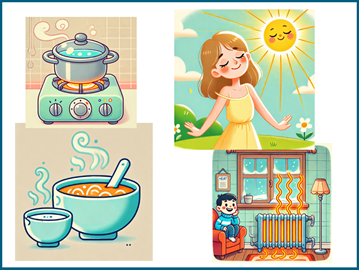
Heat energy is important because it helps maintain temperatures that allow plants, animals, and people to live comfortably.
Light energy
Light energy allows us to see the world around us. It travels very quickly and can come from natural or artificial sources.
The sun is the most important natural source of light on Earth. Without sunlight, plants would not be able to grow, and life on Earth would not exist as we know it.
Other sources of light include:
Light bulbs
Flashlights
Fire
Lightning
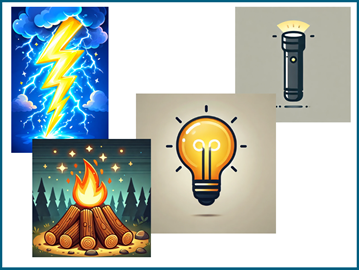
Light energy can also change into other types of energy. For example, solar panels change sunlight into electrical energy.
Sound energy
Sound energy is created when objects vibrate or move back and forth very quickly. These vibrations travel through the air as sound waves that our ears can detect.
Everyday examples of sound energy include:
A person speaking or singing
A guitar string vibrating
A dog barking
A school bell ringing
Thunder during a storm

Sound energy can travel through air, water, and even solid materials.
Electrical energy
Electrical energy is the energy carried by electricity. It powers many of the devices and machines we use every day.
Electricity travels through wires and circuits to reach homes, schools, and businesses. It allows many modern technologies to work.
Examples of electrical energy include:
Turning on a lamp
Charging a phone
Using a computer
Running a refrigerator
Powering a television
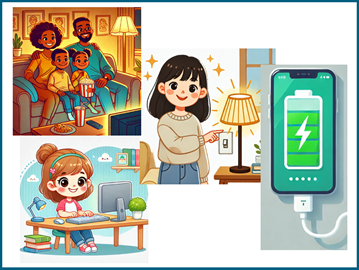
Electrical energy is often converted into other forms of energy, such as light, heat, or sound.
Energy in everyday life
Children encounter energy throughout their day, even if they do not always notice it.
For example:
A lamp uses electrical energy to produce light.
A speaker uses electrical energy to create sound.
A microwave oven uses electrical energy to produce heat.
A bicycle moves when a rider uses energy from food to pedal.
Energy often changes from one form to another. For instance, when a light bulb is turned on, electrical energy becomes light energy and heat energy.
Understanding these energy changes helps students see how energy powers the world around them.
Helping children notice energy
Parents and teachers can encourage children to observe energy in their daily lives. Asking simple questions can help students think like scientists.
Examples of questions include:
What happens when you turn on a flashlight?
Where does the heat from the sun come from?
What makes a drum produce sound?
What types of energy are used when cooking dinner?
These questions help children connect science ideas to real experiences.
Key idea
Energy is present everywhere in our world. It allows objects to move, machines to work, and living things to grow and survive.
Although energy cannot always be seen directly, we can observe its effects all around us. By learning about different forms of energy, students begin to understand how the world works and how science explains everyday events.