


Animals live in environments where they must constantly watch out for predators. Since animals cannot ask for help or easily change where they live, they have developed special adaptations that help them stay safe. These adaptations are called defenses, and they increase an animal’s chances of surviving in the wild.
Camouflage: Blending in to avoid detection
Camouflage allows animals to blend in with their surroundings, so predators have a hard time noticing them. This type of defense is especially useful for animals that move slowly or spend a lot of time resting in one place.
Examples:
Chameleons can change color to match their environment.
Stick insects look like branches or leaves.
Arctic animals, like snowy owls, have white feathers that blend into snow.

Camouflage works best when an animal stays still and matches the colors, patterns, or shapes around it.
Physical defenses: Spikes, shells, and armor
Some animals protect themselves using strong body parts that make them difficult or painful to attack. These defenses help stop predators before they can cause serious harm.
Examples:
Porcupines have sharp quills that can injure predators.
Turtles have hard shells they can pull into for protection.
Armadillos are covered in tough, armor-like plates.

Physical defenses often discourage predators from trying again in the future.
Chemical and sound defenses: Warning predators
Certain animals protect themselves by producing strong smells, toxins, or loud sounds that warn predators to stay away. These defenses are meant to scare, surprise, or repel an attacker.
Examples:
Skunks spray a strong-smelling liquid.
Some frogs have poisonous skin.
Snakes hiss loudly to sound more dangerous.

Predators quickly learn to avoid animals with these warning defenses.
Speed and escape: Getting away quickly
Many animals rely on their ability to move quickly to escape danger. Speed is an effective defense, especially for animals that do not have strong physical protection.
Examples:
Rabbits run fast and change direction suddenly.
Birds fly away from predators.
Fish swim quickly and dart through water.

Escaping often depends on fast reflexes and strong muscles.
Safety in numbers: Living in groups
Some animals protect themselves by living and moving in groups. Being part of a group makes it harder for predators to focus on one individual.
Examples:
Fish swim in schools.
Birds fly in flocks.
Zebras and deer live in herds.
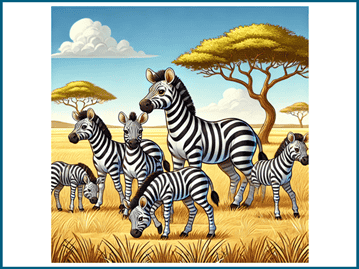
Groups can confuse predators and provide more eyes to spot danger early.
Mimicry and warning colors
Some animals protect themselves by looking dangerous, even if they are not. Bright colors or patterns can signal that an animal is poisonous or unpleasant to eat.
Examples:
Butterflies with large eye-like spots.
Brightly colored frogs that warn predators.
Harmless snakes that look like poisonous ones.

This type of defense helps animals avoid being attacked in the first place.
Animals use many different defense strategies, but all of them serve the same purpose:
to avoid danger and survive in their environment.